
Omega-3s and the Nutrient-Dense Foods Dogs Thrive On
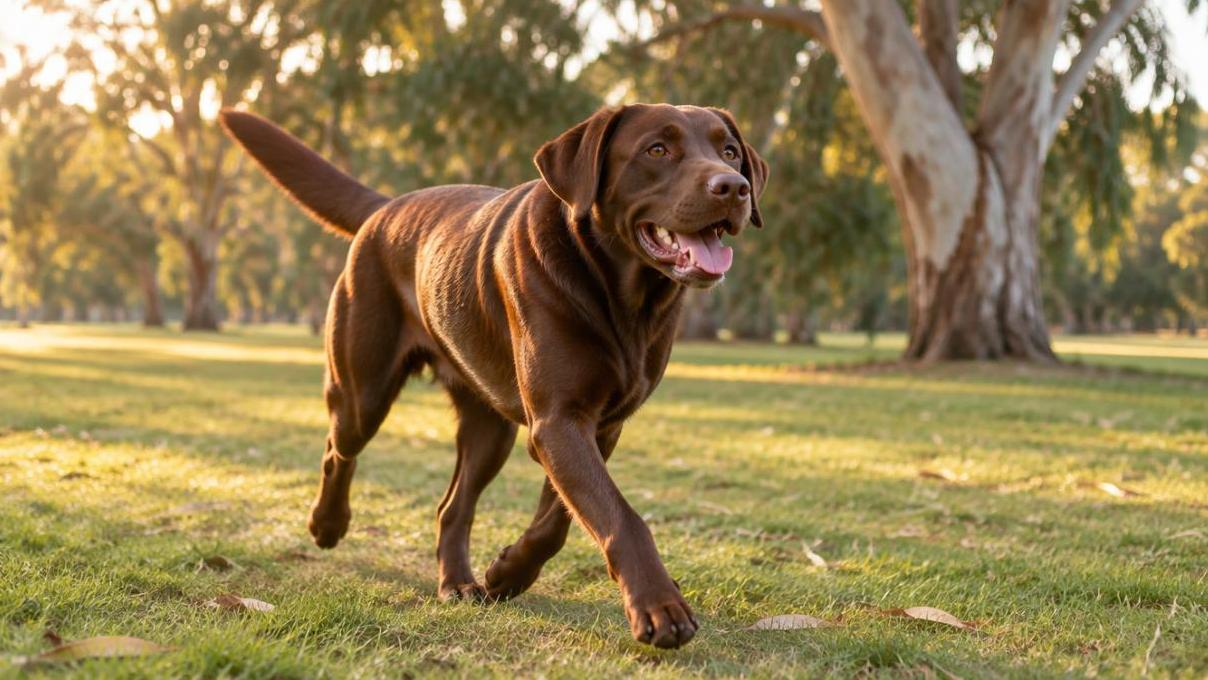
If you've ever looked at your dog and wished for just a few more years together, you're not alone. It's the one thing every dog owner wants.
Here's something that might surprise you. The longest diet study ever done in dogs followed 48 Labradors for 14 years. Every dog ate the same food, but half of them were fed a little less so they stayed lean. Those lean dogs lived a median of 1.8 years longer. They also went about two years longer before they needed treatment for problems like arthritis.
Nearly two extra years... from food.
That study was about how much dogs eat. But it leads to a bigger question. If every bite counts, what should those bites be made of? The answer has a lot to do with fat. The right kind.
What are omega-3s, and why does your dog need them?
When most of us hear "fat", we think weight gain. But some fats do important work in the body. The most important are the omega-3s, and two of them in particular: EPA and DHA.
Your dog can make a little EPA and DHA from plant sources like flaxseed, but the conversion is slow. The most direct way to get them is from food that already contains them, and nature's best source is oily fish.
The catch is that most dogs get plenty of omega-6 (from vegetable oils, grains and poultry fat) and not much omega-3. Over time, that imbalance can show up in ways you might not connect to food.
Signs your dog could use more omega-3s
-
Dry, flaky skin or a dull coat. Skin and coat were among the first things vets studied, and controlled trials found real improvements when dogs were given EPA and DHA.
-
Stiff joints, especially first thing in the morning. EPA helps support a healthy inflammatory response, which is why omega-3s come up so often for older dogs.
-
A senior dog who seems a little "foggy". DHA is a building block of the brain. In older dogs, fish oil combined with antioxidants and B vitamins has been shown to improve cognition.
-
A growing puppy. DHA matters most while the brain and eyes are still developing.
None of these mean something is wrong. But they're worth noticing, because they're often the easiest things to support through food.
Why "nutrient-dense" matters more than "healthy"
Picture two treats with the same calories. One is a biscuit made mostly from wheat flour. The other is a small cube of liver. The biscuit gives your dog energy and not much else. The liver brings vitamin A, B12, iron, copper and zinc along with it.
That's nutrient density: how much good stuff comes with every calorie. And if keeping dogs lean helps them live longer, the treat jar is the easiest place to start. Treats are often the emptiest calories in a dog's day. They don't have to be.
Which foods are the most nutrient-dense?
These are the five we come back to again and again, and the treats we make from each.
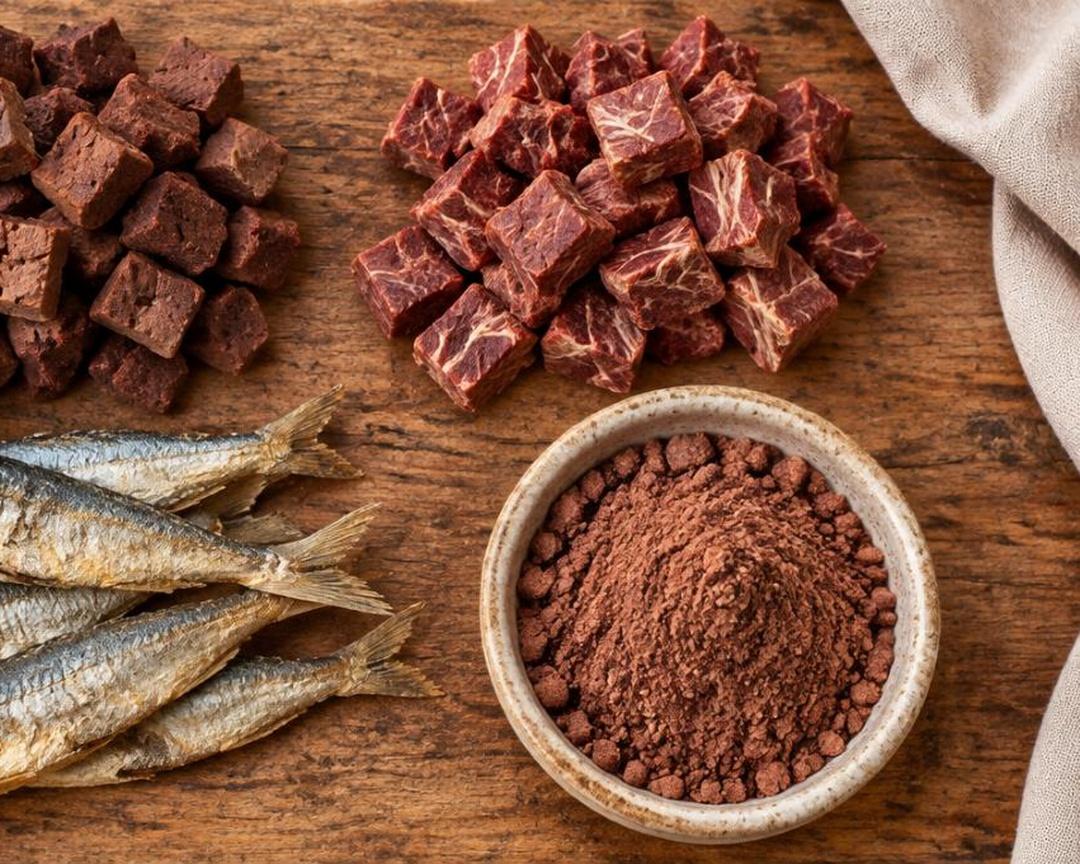
Sardines. Small, oily fish are one of the richest natural sources of EPA and DHA, along with protein, vitamin D and selenium. Because they're small and low on the food chain, they're also very low in mercury. Try: our Freeze-Dried Sardine Treats, crumbled over dinner a few times a week.
Liver. Often called nature's multivitamin: vitamin A, B12, iron, copper, zinc and folate. It's so rich that a little goes a long way. Try: Freeze-Dried Roo Liver Treats, small enough to break up for training.
Heart. Technically a muscle, but nutritionally closer to an organ. It's rich in taurine, which supports heart function, and CoQ10, which the body makes less of with age. When a lab tested our freeze-dried kangaroo heart, it came back at 85.8% protein and just 8.6% fat. Try: Freeze-Dried Roo Heart Treats, or our chewier, air-dried Premium Organ Meat Treats.
Tripe. The stomach lining of grazing animals. We think it smells strong. Dogs think it smells like dinner, which makes it one of the most reliable ways to tempt a fussy eater. Try: our Lamb Tripe Topper, or the Beef Food Topper, which combines beef tripe, heart and liver.
Kangaroo. Wild, lean (around 2% fat) and high in protein, iron and zinc, with a small amount of omega-3. Use the organs as well as the meat, and you get the nutrient density on top. Try: our Kangaroo Food Topper, made from kangaroo heart, liver, kidney and lungs.
Three simple habits that make it easy
You don't need to overhaul your dog's diet. Small habits, done consistently, do the work.
-
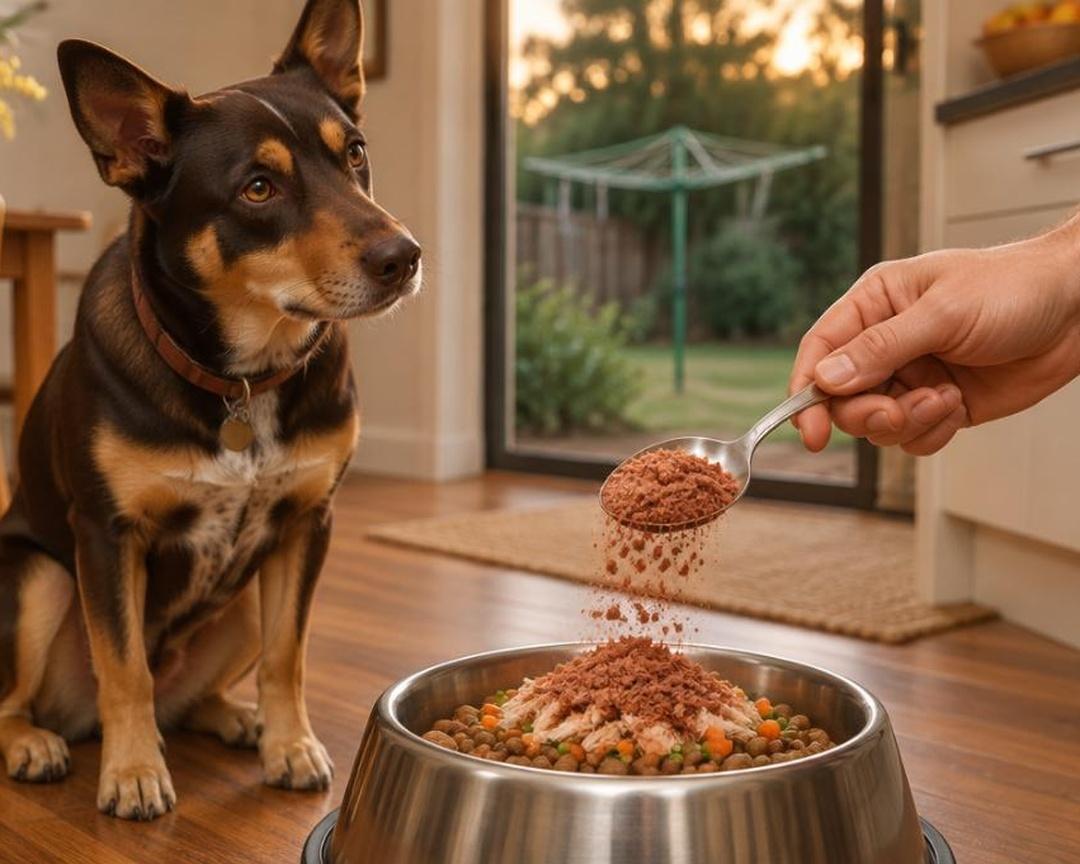
Add something to dinner. A topper is the easiest daily habit there is. We created our Kangaroo Food Topper for exactly this: sprinkle 1 to 2 tablespoons over every cup of your dog's usual food. No prep, and four organs in every bowl.
-
Make treats count. Swap a few biscuits for liver or heart. Your dog won't miss the flour.
-
Add fish a few times a week. A small handful of sardines covers the omega-3 side.
Can you have too much of a good thing?
Yes, and it's worth knowing where the line is. Nutrient-dense foods are rich by design, so a little goes a long way.
-
Keep treats and toppers together to about 10% of your dog's daily food.
-
Organ meats are best at around 5 to 10% of the diet.
-
Introduce anything new slowly. Rich foods can loosen stools if you go too fast.
-
Check with your vet first for puppies, dogs on a low-fat diet (sardines are naturally higher in fat), or dogs with an ongoing health condition. If your dog is already on fish oil from the vet, sardines are a top-up, not a replacement.
Small changes, more good years
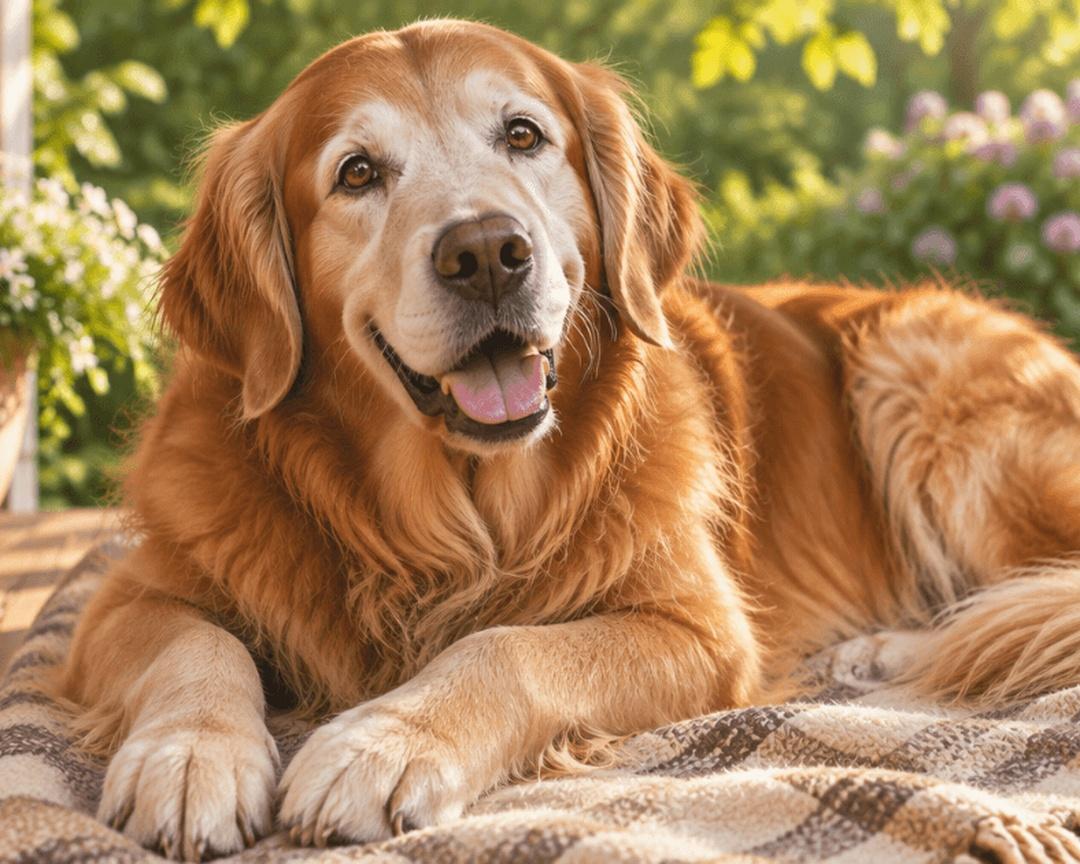
You can't control everything about how long your dog lives. But you do decide what goes in the bowl, and what comes out of the treat jar.
Start small. Stay consistent. Your dog will take care of the rest.
Small changes, more good years
You can't control everything about how long your dog lives. But you do decide what goes in the bowl, and what comes out of the treat jar.
Start small. Stay consistent. Your dog will take care of the rest.
Black Friday is on until Tuesday 1 December. Our Kangaroo and Wild Venison Toppers are 39% off, Roo Liver is 30% off, and Sardines and Roo Heart are 15% off. Spend $75 for a free treat, or $150 for free Duck Feet and free shipping. Every order has our 60-day money-back guarantee.
